

When buying a standard, off the shelf motor, it can be difficult to find the correct motor size and performance for a given application. The natural reaction is to err on side of “bigger is better” so at the very least the motor will get the job done. This can lead to several different problems.
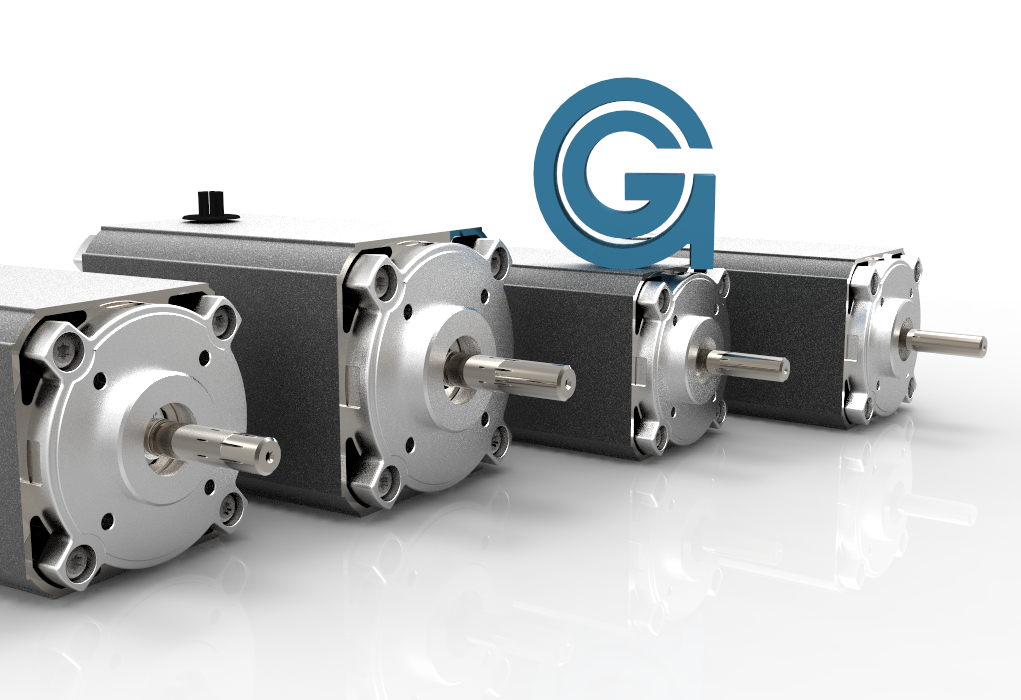
1. Cost: A larger motor means more steel, more copper, and higher cost. If a smaller motor will work for a given application, it is an easy way to cut costs.
2. Efficiency: This issue is less obvious than the others, but equally as important. Most motor types are designed to run at a specific speed and torque point. With a good motor design, the motor will run at its peak efficiency at its designed load point. If the motor is run at a lower torque point, it will actually run less efficiently. Because of this, it is possible with an over-sized motor that the input power to the motor (essentially the amount of current the motor draws) will be higher than what would be required with a properly sized motor. This results in a higher electric bill or a faster drain on a battery depending on your power supply type.
3. Performance: A larger motor may not even work for the application. For example, a single phase AC induction motor can overheat if it runs at too low of a load, leading to premature motor insulation failure.
Remember, there is often not a “one size fits all” motor. How can you get around this fact to find the correct motor? Work with a motor manufacturer who has experience in sizing motors and the ability to design a custom motor. Based on the type of power supply available, the speed/torque load point, and the duty cycle, Groschopp’s engineers can determine the correct motor size to meet your requirements and keep costs at a minimum.
